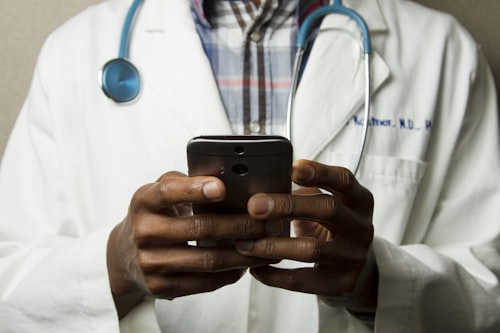
10 Important Health Checks Every Adult Should Have
Early detection saves lives. Explore the key diagnostic panels recommended by our specialists.
Read ArticleA personalized approach to pathology care that includes consultation, laboratory evaluation, specimen analysis, diagnosis, reporting, treatment support, monitoring, and continued follow-up.
The pathology team reviews the patient's medical history, clinical information, previous reports, test results, and relevant specimens to understand the condition and determine the appropriate pathological evaluation.
Early detection saves lives. Explore the key diagnostic panels recommended by our specialists.
Read ArticlePractical daily habits and dietary guidelines for keeping your heart strong and healthy.
Read ArticleThe Pathology department provides laboratory and diagnostic services to help evaluate and diagnose medical conditions. Services may include blood tests, tissue examination, specimen analysis, and other appropriate pathological investigations based on the patient's clinical needs.
A Pathologist is involved when laboratory or pathological evaluation is required to investigate symptoms, diagnose a medical condition, evaluate tissue or specimen findings, monitor a disease, or support treatment planning. The appropriate investigation is selected according to the patient's clinical condition and the referring doctor's requirements.
Pathology services may include blood tests, urine tests, tissue examination, specimen analysis, and other laboratory investigations. The type of test selected depends on the patient's symptoms, medical history, clinical findings, and diagnostic requirements.
Pathological evaluation involves selecting the appropriate laboratory or specimen examination based on the patient's symptoms and clinical history. The collected samples are carefully examined and analyzed by the pathology team, with findings documented in a diagnostic report for further clinical management.
Diagnostic testing options may include blood and urine investigations, tissue examination, specimen analysis, and other laboratory tests when clinically indicated. The appropriate investigation is selected according to the patient's condition and the information required for accurate diagnosis and treatment planning.
Yes. Follow-up laboratory or pathological testing may be recommended when required to monitor treatment response, disease progression, recovery, or changes in the patient's condition. Further diagnostic investigations are planned according to the patient's individual clinical needs.